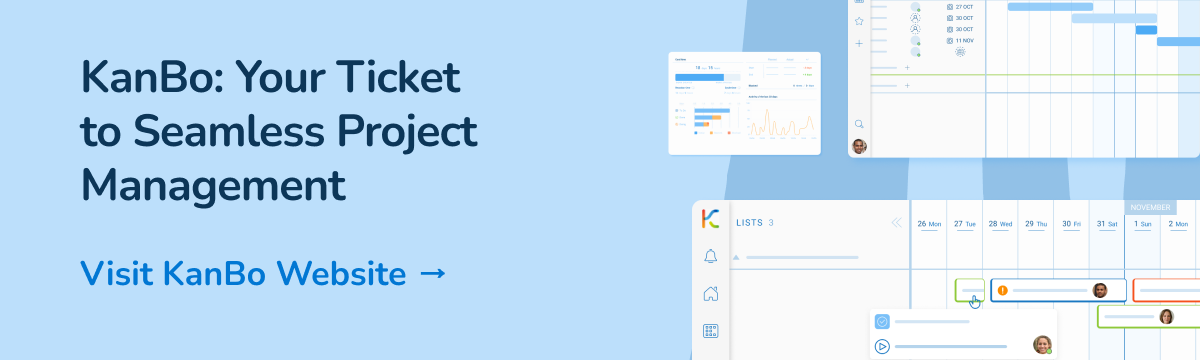
KanBo – The Pharma-Focused Work Coordination Maestro
Experience ultimate task alignment, communication and collaboration
Trusted globally, KanBo, bridges the gap between management and engineering in complex pharmaceutical organizations. Seamless coordination, advanced project planning, and outstanding leadership are made possible through our versatile software. Stride toward your mission-critical goals with superior collaboration and communication.
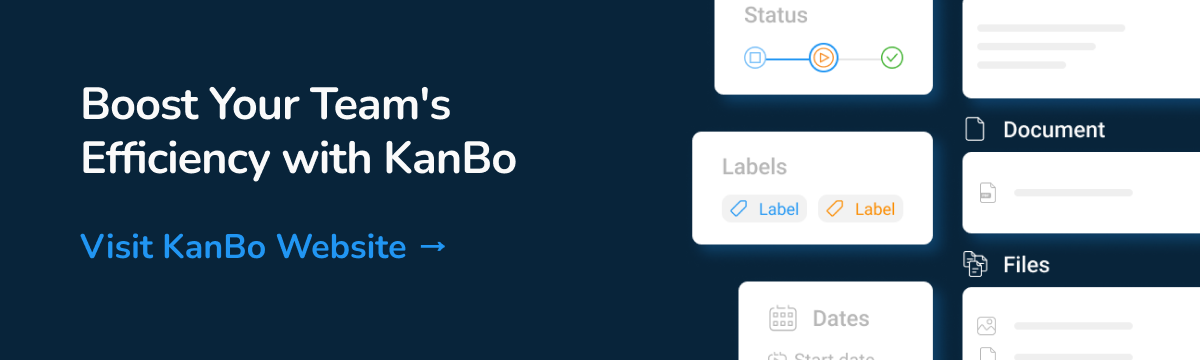
KanBo Work Coordination Platform: Revolutionizing Project Management in the Pharmaceutical Industry
Introduction:
In today’s fast-paced and complex pharmaceutical industry, effective project management plays a critical role in ensuring seamless coordination, efficient planning, and successful execution of tasks. KanBo, a leading work coordination platform, has emerged as a game-changer in the industry, empowering teams and team leaders to enhance their project management capabilities. By focusing on task alignment, communication, and collaboration, KanBo aims to streamline operations, improve cross-functional collaborations, and upgrade leadership efficiency within the pharma industry.
KanBo: A Comprehensive Project Management Solution
KanBo offers a robust project management Space that provides teams with a comprehensive overview of their projects. It allows users to monitor the status, progress, and tasks of the project from different perspectives, enabling them to identify potential bottlenecks and take proactive measures. With advanced filtering options, users can create customized views that cater to specific requirements, such as team workload, calendar-based tracking, and more.
The Three Pillars of KanBo: Collaboration, Communication, and Planning
KanBo emphasizes three key pillars of project management: collaboration, communication, and planning. These pillars are instrumental in ensuring effective work coordination within the pharmaceutical industry, where interdepartmental collaborations, clear communication channels, and efficient planning are crucial for success.
1. Collaboration: KanBo’s intuitive interface and features promote collaboration among team members. It facilitates knowledge sharing, idea exchange, and the ability to work together on shared tasks. Teams can seamlessly coordinate across functions, breaking departmental silos and fostering a culture of transparency.
2. Communication: Effective communication is a cornerstone of successful project management. KanBo offers a chat option that enables real-time discussions, ensuring that team members can quickly resolve issues, clarify doubts, and share valuable insights. This feature eliminates the need for back-and-forth emails or meetings, leading to improved productivity and faster decision-making.
3. Planning: KanBo empowers teams to efficiently plan their projects, ensuring effective resource allocation, timeline creation, and task assignment. By providing real-time visibility into operations, KanBo enables team leaders to monitor project progress, identify potential delays, and take timely corrective actions. This comprehensive overview of the project lifecycle helps ensure that projects stay on track, meet deadlines, and achieve desired outcomes.
Project Management in the Pharmaceutical Industry: Unique Challenges and Benefits
The pharmaceutical industry presents unique challenges in project management, including stringent regulatory requirements, complex research and development processes, and the need for cross-functional collaborations. KanBo’s specialized features and focus on the pharma industry address these challenges and offer several benefits:
1. Streamlining Operations: KanBo enables teams to identify and eliminate inefficiencies, optimizing processes, and minimizing delays. By providing real-time information about the project status, stakeholders can proactively address bottlenecks and align resources accordingly.
2. Enhancing Cross-Functional Collaborations: KanBo breaks down departmental silos by facilitating seamless collaboration across functions. It enables multidisciplinary teams to work together, increasing knowledge sharing, promoting innovation, and driving better outcomes.
3. Upgrading Leadership Efficiency: KanBo’s real-time project visibility empowers team leaders to make informed decisions and ensure effective leadership. They can proactively address risks, manage resources efficiently, and steer projects towards a successful outcome.
Conclusion:
Project management in the pharmaceutical industry requires a comprehensive and efficient approach to ensure successful outcomes. KanBo’s work coordination platform, with its focus on task alignment, communication, and collaboration, promises to revolutionize project management in the pharma industry. By offering a comprehensive overview of the project lifecycle and facilitating efficient planning and execution, KanBo empowers teams and team leaders to streamline operations, enhance cross-functional collaborations, and achieve optimal project outcomes.
Introduction:
This employee position requires the ability to write clean and well-designed code that is testable and maintainable. It also involves leveraging various services, both internal and external, to deliver robust and scalable distributed systems. Building software tools for instrumentation, monitoring, and ad-hoc tasks is another important aspect. The position also requires utilizing TDD and BDD to write unit tests that can be automated. The employee should be able to analyze different technologies and make informed design decisions. Collaboration with developers across the organization and troubleshooting complex code defects using analytical skills are also part of the job. The employee should be able to propose creative solutions and lead software design/code reviews to ensure adherence to company standards. Compliance with company policies and directives is essential.
Challenge and Solution:
The challenge in this position lies in effectively coordinating and monitoring complex projects in the pharmaceutical industry. Without a comprehensive project management solution, teams may struggle to stay organized, track progress, and collaborate efficiently. This can lead to delays, errors, and ineffective use of resources.
KanBo provides a solution by offering a project management software that helps teams and team leaders to plan, execute, control, and finalize their work. With KanBo, teams can create a project management Space that provides a holistic view of the project’s status, progress, and tasks. The software allows for easy grouping and filtering of information based on various criteria, providing a clear overview of objectives, budget, stakeholders, and questions. The chat option enables real-time communication and issue resolution, while the blocks feature helps identify and resolve bottlenecks. KanBo’s focus on collaboration, communication, and planning ensures that employees can stay updated, informed, and efficient throughout the project lifecycle. By leveraging KanBo, teams can streamline operations, improve cross-functional collaborations, and upgrade leadership efficiency within the pharmaceutical industry.
After using KanBo, the employee will have access to a robust project management solution that enhances their ability to write clean and well-designed code. The software’s collaboration features allow for effective coordination with developers across the organization, enabling the building of multi-tier systems. KanBo’s planning capabilities facilitate the understanding of the cost/benefit of different technologies, supporting informed design decisions. The software’s ability to track progress, allocate resources, and assign tasks ensures that the employee can effectively comply with project timelines and meet requirements. The real-time visibility into project operations offered by KanBo helps troubleshoot and fix highly complex code defects efficiently. In addition, KanBo’s focus on adherence to company standards through software design/code reviews ensures quality in the deliverables. Overall, KanBo empowers the employee to effectively contribute to the project’s success and adhere to company policies and procedures.
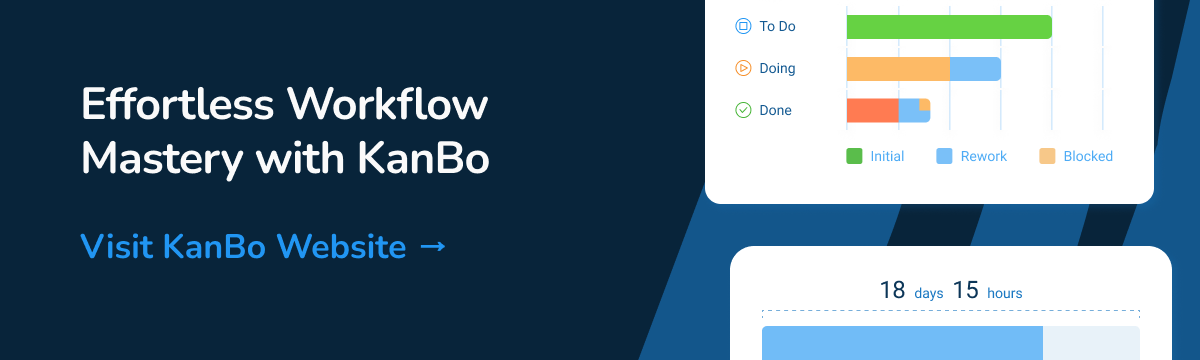
Q&A
1. QA: How does KanBo address the unique challenges of project management in the pharmaceutical industry?
Answer: KanBo recognizes the specific challenges faced by the pharmaceutical industry, such as regulatory requirements and cross-functional collaborations. By providing real-time project visibility, seamless communication, and efficient planning tools, KanBo helps teams streamline operations, enhance collaborations, and upgrade leadership efficiency within the pharmaceutical industry.
2. QA: How does KanBo enable effective communication among team members in the pharmaceutical industry?
Answer: KanBo offers a chat option that enables real-time discussions among team members. This feature eliminates the need for back-and-forth emails or meetings, allowing for quick issue resolution and efficient knowledge sharing. With KanBo, team members can collaborate effectively, clarify doubts, and share valuable insights, improving overall productivity and decision-making in the pharmaceutical industry.
3. QA: How does KanBo empower team leaders in the pharmaceutical industry to make informed decisions?
Answer: KanBo provides team leaders with real-time information about project progress, potential bottlenecks, and resource allocation. This comprehensive project overview helps leaders proactively address risks and manage resources efficiently. By leveraging KanBo’s project visibility, team leaders can make informed decisions, ensure effective leadership, and steer projects towards successful outcomes in the pharmaceutical industry.
Did you know that KanBo is more than just a tool for Project Management in the Pharmaceutical industry? While it excels in streamlining operations, enhancing collaboration, and boosting leadership efficiency, KanBo also offers various additional features and capabilities that make it a comprehensive solution for pharmaceutical organizations.
One such feature is the ability to facilitate effective resource allocation. With KanBo, project teams can easily assign tasks to the right individuals, ensuring that each team member is equipped with the necessary resources to complete their tasks efficiently. This not only improves productivity but also helps to avoid overburdening individuals or creating bottlenecks within the project workflow.
Furthermore, KanBo provides a seamless integration with popular software platforms such as SharePoint, Microsoft Office 365, Google Suite, AWS, and Salesforce. This means that pharmaceutical organizations can easily leverage their existing technology infrastructure and enhance it with KanBo’s collaborative capabilities. By bridging the gap between technology and business, KanBo ensures that teams can work in harmony with their preferred tools, without any disruption or additional implementation effort.
Another noteworthy feature of KanBo is its focus on creating an invincible organizational culture. By promoting transparency and trust, KanBo empowers employees to take responsibility and become more accountable for their work. This not only fosters a sense of ownership but also encourages collaboration and innovation among team members. With KanBo, employees can feel like a relevant part of something greater, working in an environment where their contributions are valued and celebrated.
Additionally, KanBo helps organizations reclaim time for work that truly matters. By providing a clear overview of tasks and priorities, KanBo enables teams to stay focused on their goals and eliminates time wasted on unnecessary meetings or administrative tasks. This allows team members to have more time for critical thinking, idea exploration, and experimentation, ultimately driving excellence and delivering their best results.
In conclusion, KanBo is more than just a project management tool for the Pharmaceutical industry. With its emphasis on collaboration, communication, and planning, KanBo empowers pharmaceutical organizations to streamline operations, enhance cross-functional collaborations, and boost leadership efficiency. By leveraging its comprehensive capabilities, organizations can maximize ROI on their existing technology infrastructure while creating a culture of transparency, trust, and accountability.